Dog

Cat

Diagnostic And Scoping

Colorado Springs Veterinary Surgery and Rehab Center offers advanced diagnostics to diagnose your pet’s illness and provide treatment quickly and accurately.

Pet Diagnostic and Scoping Procedures
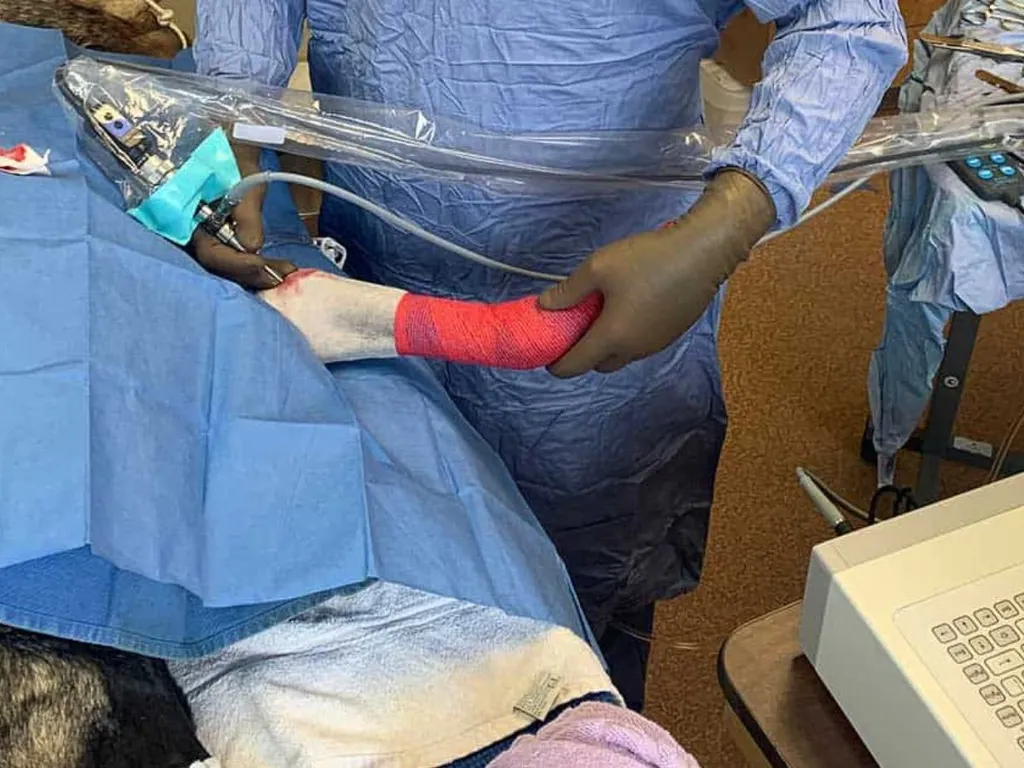
Our diagnostic and scoping procedures are performed in-house, which saves precious time for you and your pet and allows our veterinarians to develop a personalized and effective medical treatment plan.

At Colorado Springs Veterinary Surgery and Rehab Center, our team is dedicated to building strong relationships with our clients and providing positive healthcare outcomes for all our pet patients. Schedule an appointment for a consultation today.

Pet Endoscopy

Veterinary endoscopy is a minimally invasive, non-surgical procedure used to examine your pet’s internal organs and abdominal cavity. An endoscopy can also be used for foreign body removal and to obtain tissue biopsies. The endoscopic procedure involves inserting a flexible tube (with a light and camera scope attached) through natural openings to show what’s going on inside your pet’s body. The skilled veterinarians at Colorado Springs Veterinary Surgery and Rehab Center perform a variety of endoscopies, including:

  • Arthroscopy: Arthroscopy is commonly used to evaluate joint conditions, most widely in the elbow, knee, and shoulder joints.

  • Cystoscopy: Cystoscopies are utilized to examine the bladder and urethra, aiding in identifying urinary tract infections and bladder abnormalities.

  • Laparoscopy: A laparoscopy provides a look at the contents of your pet’s abdominal cavity and is useful for organ biopsies and tumor removal.

  • Colonoscopy: A colonoscopy examines your pet’s lower intestinal tract, including the rectum and colon. Colonoscopies help diagnose ulcers, tumors, and inflammatory bowel disease.

  • Gastroscopy: Gastroscopy inspects your pet’s upper intestinal tract, including the stomach and esophagus, and can help remove foreign bodies, collect biopsies, and diagnose gastrointestinal issues.

  • Rhinoscopy: A rhinoscopy examines your pet’s nasal cavity.

Latest Blogs

Discover in-depth articles, thought leadership, and expert perspectives curated to inspire, educate, and keep you ahead of the curve in your industry.

FAQs hjhubhb hu

We are dedicated to providing the highest level of care and friendly, compassionate service.

Anesthesia-free dentistry, or non-professional dental scaling, can pose serious risks to your pet. Without anesthesia, pets may move suddenly, increasing the chance of injury to their gums or mouth, and even risking bites to the clinician. More importantly, effective dental care requires cleaning beneath the gumline, where disease begins—something that is uncomfortable and unsafe without anesthesia. Proper procedures also protect your pet’s airway and prevent debris from entering the lungs. Cosmetic-only cleanings may look helpful but do not address underlying dental disease.

Fleas and ticks are not just minor nuisances; they can transmit serious and sometimes life-threatening diseases, some of which can be passed to people. Even indoor-only pets are at risk because fleas and ticks can hitch a ride inside on your clothing, shoes, or other pets. Keeping your pet on a monthly preventive is your best bet for protecting your pet—and your family—against these parasites.

If you purchase preventives from sources other than a veterinary hospital or a website affiliated with a veterinary hospital, you don’t have any guarantee that the product is authentic or that it has been stored and shipped properly. When you order from your veterinarian, you’ll have the added benefit of being able to rely on his or her expertise and knowledge of your pet’s medical history.